How to Make Fresh Mince at Home With a Grinder Attachment
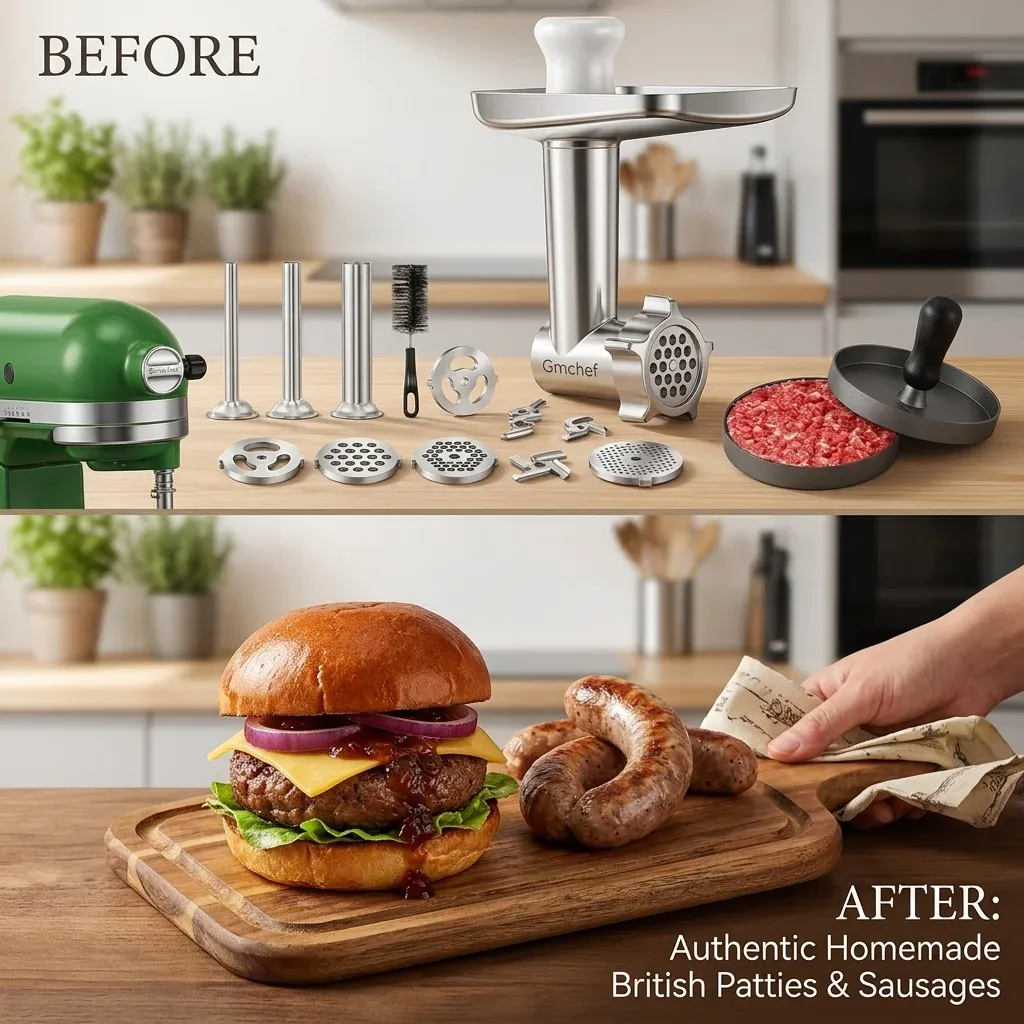
How to make fresh mince at home comes down to five things: choose a cut with enough fat, cube it, get it properly cold, grind it on the right plate, and keep everything cold while you work. Do that and you get clean, juicy mince instead of a smeared paste.
TL;DR: Pick a fattier cut (chuck or shoulder is ideal at roughly 80% lean to 20% fat), cut it into about 2.5 cm cubes, and partially freeze the cubes for 15 to 30 minutes until the edges are firm but the centres still give. Chill the grinder parts too. Grind once on a coarse plate for burgers, or twice for smoother sausage or meatball mixes, and cook the mince within about 24 hours or freeze it straight away. The reason to bother is control: shop mince rarely tells you which cuts or how much fat went in.
Why make your own mince?
If you have ever tipped a tray of supermarket mince into a pan and watched it weep and stew rather than brown, you already know the problem: pre-packaged mince hides which cuts and how much fat went into it, and it is often blended for shelf life rather than texture. Grinding your own fixes that. You buy a whole cut from the butcher or counter, you decide the fat ratio, and you grind only when you need it — so a Sunday batch of burgers, meatballs and lamb kebab mix can each get the texture they should, rather than all coming from the same anonymous tray.
Is it worth it for the occasional burger? If you make burgers or meatballs even a couple of times a month, the difference in flavour and texture is obvious the first time, and using an attachment on a stand mixer you already own keeps the outlay and the cupboard space small. This page is the method; for which mincer to buy, see our guide to the KitchenAid meat grinder attachment.
What you need before you start
- A mincer: a stand mixer meat grinder attachment (or a standalone mincer) with a coarse and a fine plate.
- A fattier cut: around 20% to 25% fat gives juicy results; too lean and the mince cooks dry and crumbly.
- A cold kitchen setup: space in the freezer for the cubed meat and the metal grinder parts.
- A clean routine: a separate board and dish for raw meat, and hot soapy water ready for afterwards.
How to make fresh mince at home, step by step
1. Choose the cut and the fat ratio
Fat is flavour and juiciness. For burgers, aim for roughly 80/20 lean-to-fat, which is close to what beef chuck gives naturally. If your cut is lean, add a little extra fat rather than accepting dry mince.
2. Cube the meat
Cut the meat into pieces of about 2.5 cm so they feed smoothly through the tube. Trim any tough sinew or gristle now, since it can wrap around the blade.
3. Get it properly cold
This is the single most important step. Spread the cubes in one layer and freeze them for 15 to 30 minutes, until the edges feel firm but the centres still give — you want them very cold, not frozen solid. Warm fat smears inside the grinder and turns the mince pasty, so also chill the plate, blade and auger in the freezer beforehand.
4. Grind on the right plate
Fit the coarse plate for burgers, chilli or a rustic Bolognese, where you want visible texture and juicy pockets of fat. Feed the cubes steadily with the pusher and let the machine do the work rather than forcing it.
5. Second grind only if you need it
A single coarse pass suits most burgers and meatballs. For a smoother sausage mix or a fine meatball, grind a second time on the fine plate — but chill the mince again first, because the first pass will have warmed it slightly.
6. Cook or freeze quickly, and clean straight away
Freshly minced meat has a large surface area, so cook it within about 24 hours or freeze it immediately after shaping. Then wash the removable parts in hot soapy water, paying attention to the blade, auger and plate, and dry everything fully before storing to prevent corrosion.
Best cuts for home mincing in the UK
| Meat | Cut | Good for |
|---|---|---|
| Beef | Chuck (add brisket or short rib for richness) | Burgers, chilli, Bolognese |
| Pork | Shoulder | Sausage meat, meatballs, ragu |
| Lamb | Shoulder | Koftas, kebab mix, shepherd's pie |
| Chicken | Boneless thigh | Burgers, meatballs (thigh beats lean breast for texture) |
Common mistakes (and the fix)
- Meat too warm: the classic cause of pasty, smeared mince. Re-chill the meat and the parts and carry on.
- Choosing a lean cut: dry, crumbly burgers. Add fat or pick chuck/shoulder.
- Forcing the feed: let the auger pull the meat; shoving it can heat the fat and strain the motor.
- Leaving cleaning too long: raw-meat residue is harder to remove once dry and is a hygiene risk.
Honest boundaries: safety and when shop mince is fine
Home mincing does mean handling raw meat, so the cross-contamination worry is fair. Keep raw meat on its own board, keep it at or below fridge temperature except for the brief grind, wash hands and equipment thoroughly, and cook mince through — mince needs cooking right through, not just searing, because grinding spreads any surface bacteria throughout. If you only need plain mince once in a blue moon and have nowhere to chill cuts and parts properly, good-quality shop mince is a perfectly sensible choice; the home method pays off when you want a specific cut, fat ratio or texture.
Once the mince is done, the same set will handle the rest of the prep: use the slicer shredder attachment for cheese and veg, and see how one meat grinder and vegetable slicer in one keeps a small kitchen tidy.
Common questions about making mince at home
How cold should the meat be before grinding?
Very cold but not frozen solid. Partially freeze the cubes for 15 to 30 minutes until the edges are firm and the centres still give. Chilling the grinder parts as well makes a noticeable difference to the texture.
What fat ratio should I use for burgers?
Around 80% lean to 20% fat is the classic, juicy ratio, and beef chuck sits close to that naturally. Go a little fattier (75/25) for thick pub-style patties; much leaner than 90/10 tends to cook dry.
Can I grind chicken or lamb the same way?
Yes. Boneless chicken thigh and lamb shoulder both mince well using the same chilled-and-cubed method. Thigh gives better texture than lean breast, and lamb shoulder is excellent for koftas and kebab mix.
How long does home-made mince keep?
Cook it within about 24 hours, or freeze it straight after shaping into patties or portions. Because minced meat has a large surface area, it does not keep as long as a whole cut.
Ready to try MeatGrinde?
Shop Now — £66.56